© Copyright 2005 - 2016 All Rights Reserved


KEEPING YOUR CAVY WARM IN WINTER
With the onset of winter approaching it is important to take precautions to ensure your guinea pig is kept warm this winter. As with summer and
the danger of heat stroke, colder conditions bring about their own hazards which can include URI (Upper respiratory Infections), arthritis pain in
joints for older cavies and the onset of pneumonia and related conditions.
What is the ideal temperature for my guinea pig?
Guinea pigs prefer an environment which presents an ideal temperature range of 18 - 22
degrees Celsius. According to the ANZCCART and The Institute of Medical and Veterinary
Science Australia, the environmental requirements of domesticated guinea pigs are similar to
those of the common laboratory species.
"Sutherland and Festing (1987) recommend the following conditions: Temperature 18-22C, 8-20 air
changes/h, relative humidity 45-70%, 12-16h light/day cycle. Group- housed guinea pigs provided
with bedding withstand colder conditions, but neonates have reduced survival at temperatures
below 17C. Temperatures over 30C are not tolerated well, particularly by pregnant sows.'' (The
Institute of Medical and Veterinary Science Australia)"
Keeping a thermometre close to hand on or in the guinea pigs environment can help you
monitor the current changes and fluctuations in temperature especially early in the morning
and late at night when temperature falls.
Where should I house my guinea pig in winter?
Keep your guinea pig indoors! This is one of the most important factors to stress especially in the cooler months. If outdoors is cold for you
imagine how cold it is for your guinea pig. Guinea pigs should not be housed outside in cold temperatures below 15C even with bedding and
cage mates the survival rate falls; nor should they be housed in hot climates above 30C. They should always be housed in an environment that
offers them a cool and comfortable temperature. Indoor housing offers a cool, protected and sheltered environment. It has the benefit of using
electrical appliances, human monitoring is closer to hand, pests and predators are not an issue as it offers a hidden, secure area with other
valuables, and your cage is not seen as a easy target. Your guinea pig needs and must be monitored in any temperature extreme, cold or hot.
If an indoor solution cannot be secured please see our tips below in maintaining your guinea pigs health in the cooler months. However it is
again important to stress that if any suitable and adequate indoor housing solution can be obtained please do so.
When choosing where to house your guinea pig is is imperative to ensure any area is:
Draft free - Free from any wind or drafts from windows, doors or any other openings. Drafts can lead to URI's and other illnesses.
Bight - A nice bright room free from direct sunlight which offers a nice source of natural light. Natural light provides your cavy with a source of
vitamin D. A plain pellet such as Burgess Excel Guinea Pig Nuggets with Mint is also fortified with Vitamin D and C.
Low Humidity - In Australia especially it can be hard to avoid hot and humid days. However it is advised to place your cage in an area which will
not be as susceptible to these conditions. Rooms such as laundries and bathrooms where hot water can be used can create humid conditions
which are not adequate or suitable to house your cavy in or near. Any area must be draft free, bright and not humid.
Stable Temperature - Ensure any area you house your guinea pig in does not suffer from extremes in temperature hot or cold. The room must
present a stable, secure and safe environment. Ensure your temperature guidelines adhere to those specified above by the The Institute of
Medical and Veterinary Science Australia.
Household Activity - Cavies need social interaction 24/7 even if it is not direct. They must be able to see, hear, smell and be present in all family
activities, even if it is from the safety of their cage. They must be part of the family. Depriving a guinea pig of this interaction is not valuing it as a
member of your family or as a valued companion. Keeping a guinea pig isolated from household life even if it is only for short periods of time
during the day is not ideal. They must have a permanent presence in the household to be able to effectively benefit not only socially but
psychologically as well.
How To Keep your Guinea Pig Warm In Winter
The below guide will assist in ensuring your guinea pig has a safe and healthy winter. Some key points in assisting your guinea pigs in the cooler
months include:
Blankets/Donas: Cardboard and cage covers all provide further shelter from the chill of the winter air. Even if housed
indoors the air temperature can become quite cool. Drape blankets, fleece, cardboard, sun visors or a warm material
over your cavies cage to provide extra protection. Ensure that your guinea pig always has an adequate source of air
circulation at all times via leaving one side open for air ventilation.
Rice Socks: A very innovative and inexpensive idea. A winter warmer is an old sock stuffed with rice. Simply pop it in
the microwave for 60 seconds and the rice will warm up making it nice and warm to cuddle up too, the heat will last for
hours. Socks should always be double folded and make sure you check the temperature and let it cool down if too hot.
Socks should be warm to the touch, with no chance of the rice escaping. Socks can be sewn shut if this is an issue. They
can also be used as a cooler during summer. Simply pop a cold water bottle or ice pack into the sock.
For a pictorial on how to make rice socks see Balkan Style Blog Spot.
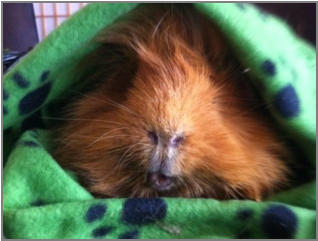
Piggy pouches/hideys: Guinea pigs love to burrow to keep warm during winter. A fantastic way to ensure your guinea
pig has a warm place to snuggle is a piggy pouch, happy sack or similar item. We offer a wide range of hand made
polar fleece products perfect for your guinea pig in Winter. Click here to visit our online store.
Hay: Dry, Fresh grass hay is an excellent form of insulation in your guinea pigs cage. Choosing a corner which your
guinea pig regularly rests in, a simple cardboard box with a hole cut as an opening stuffed with hay will provide an
ideal, warm resting area during the cooler nights. To purchase fresh grass hay, see our store
Hot Water Bottles: Hot water bottles purchased with thick fur covers are a great source of heat throughout the night.
Ensure that the lid is capped on tightly to avoid any chance of leakage. Your water bottle cover should enclose the
opening where the lid is. The addition of towels and fleece can also provide further deflection of heat if your water
bottle is too warm. Test the warmth of your bottles on your wrist prior to placing in your guinea pigs cage.
There is some controversy to the usage of hot water bottles as guinea pigs may chew the plastic. However is covered
efficiently this should not pose an issue. Some owners prefer to use small animal pet heat pads which can be warmed
in the microwave.
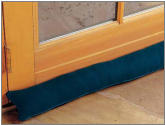
Draft Protection: Blankets, donas and quilts can be placed at the openings of doors and any areas where drafts are
present. You must protect against and chill winds that can become present.
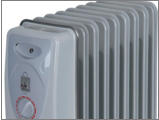
Heaters: Heaters can be used to keep and warm a room for your guinea pig. Please ensure any heater is not directly
close to the cage but simply in the room. A cavies cage is a high fire hazard with hay, blankets and other materials.
Always ensure if there is a heater in your guinea pigs room that you also have full adult supervision. Never leave a
room unattended where a high fire hazard such as a cavies cage is present. Do not leave heaters on during the day or
when no one is at home.
Lunch Box Cozies: Another inexpensive way to make a nice warm polar fleece pouch is an old large plastic lunch box.
Line the box with a thick layer or polar or Sherpa fleece. Binder clips can be used to hold the fleece in place. A guinea
pig can hop into the box and remain warm. Ensure the box can allow the guinea pig to also jump out of.
TIPS to monitor your guinea pigs health
Weight Weekly: Weigh your guinea pig weekly especially in cooler months. Weight loss is often one of the first signs of illness. Record your
guinea pigs weight and if you find any worrying fluctuations get your guinea pig to a vet immediately.
Health Care Chart: Print off or keep a copy of our Health Care Chart. Check for what is normal and what is abnormal. If you see any signs of
URI's take your cavy to a competent exotics vet ASAP. See our Health Care Chart Here.
Increase Vegetables High in Vitamin C: Offering and increased the variety of vegetables high in vitamin C currently in the diet such as
capsicum, coriander, tomatoes, carrots, rocket, cos lettuce and other green fresh leafy green vegetables can help increase your guinea pigs
immune system and strengthen the body to better combat illness. Capsicum for example contains antioxidants such as Beta-carotene. Beta -
carotene traps free radicals, and a few studies in animals suggest that it may also reduce tumour development. It also boosts the immune system
and has been suggested to have anti cancer effects.
Dry Bedding: Keep your guinea pigs bedding clean and dry. Urine soaked bedding or wet bedding from dropped food, faecal matter or water can
quickly become colder in winter. It also has the chance to harbour bacteria. Change bedding more frequently if needed or switch to polar fleece
during winter. For information on bedding options see our Bedding Page.
Two is better then one: House your guinea pigs in same or de sexed pairs. Guinea pigs will huddle for warmth and help retain core body
temperature during the colder months.
Senior Guinea pig Care
Many owners can experience issues during the winter primarily with older guinea pigs. Arthritis can become quite painful in the joints and guinea
pigs may have dry skin on the ears and feet.
Keep your guinea pigs feet well moisturised during the colder months with a non toxic, all natural formula such as a small amount of natural Aloe
Vera gel or some great ointments available by Gorgeous Guineas UK. They are a fantastic way to maintain your guinea pigs skin which can dry
out due to the cold weather.
At times when guinea pigs are suffering from arthritis it may be advisable to see your vet at a later stage and consider pain medication if you feel
your cavy is suffering as a result from pain induced swelling in the joints.
Keep senior pigs warm and always provide a nice safe hiding place to maintain body warmth during the winter months.


HOME
ABOUT US
CONTACT US
MEDIA
BOARDING